

What Effective Space Planning Looks Like on a Construction Site
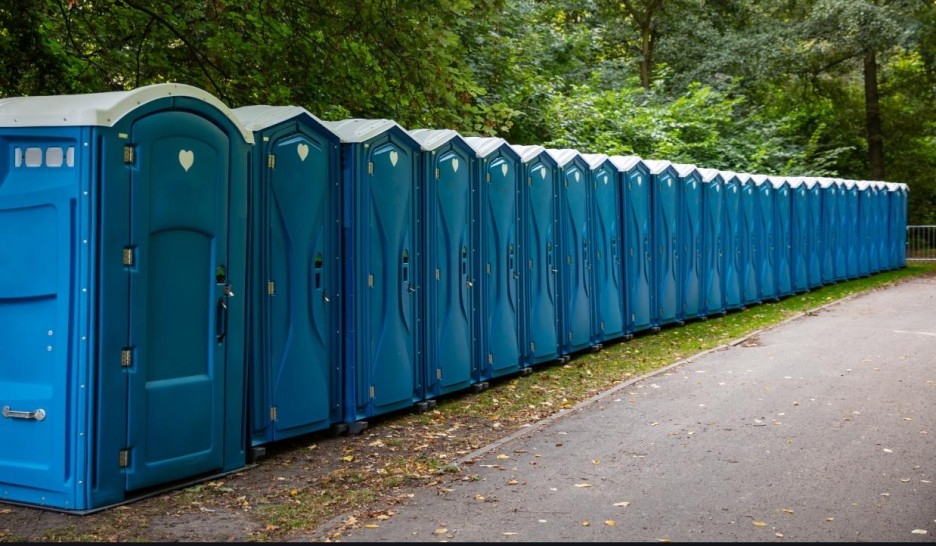
Construction projects move quickly, and the ability to create structured, efficient work areas can change how smoothly a site operates. Site managers often focus on equipment, staffing, and timelines, yet the physical setup of the work environment influences safety, communication, and productivity just as much.
A well-organized site supports clear workflows, reduces downtime, and helps crews stay aligned. This is why space planning has become an important part of modern construction management. When every square foot has a purpose, projects benefit from better oversight, lower operational friction, and improved morale.
This guide explores practical ways to streamline the physical layout of a construction environment, from storage placement to temporary office setups. It also looks at how flexible structures, such as modular offices, contribute to better project control and compliance. Where relevant, it ties into guidelines highlighted in resources such as the construction site office requirements outlined in Instant Offices’ article on creating compliant and functional workspaces.
Why Strategic Layout Design Matters
A construction site works like a small temporary city. It has foot traffic, material movement, equipment zones, oversight stations, and safety checkpoints. When the layout is unplanned or unstable, issues quickly multiply.
How site layout affects daily operations
Several direct outcomes stem from how a site is structured:
- Movement efficiency:Poor placement of tool sheds, storage, or access routes creates slowdowns. Crews spend more time walking than working.
- Communication flow:When supervision points are isolated or hard to reach, decision-making slows.
- Safety management:Congested zones increase the likelihood of hazards. Clear boundaries and pathways reduce accident risks.
- Material handling:Delivery vehicles need smooth entry and exit points. Misplaced storage adds handling time.
- Environmental impact:Smart arrangements reduce unnecessary vehicle idling and minimize fuel consumption.
Research from the Construction Industry Institute shows that reorganizing pathways and material staging can reduce wasted movement by up to 40 percent on large projects. Even small adjustments compound into measurable daily gains.
Essential Components of an Efficient Site Setup
Every project is different, but efficient layouts consistently include several core components.
1. A central coordination zone
Most sites function better when supervision and administration have a clearly identifiable base of operations. This area typically includes:
- Workstations for site managers
- Meeting tables for daily briefings
- Secure storage for documentation
- Connectivity for laptops, tablets, and communication devices
Teams relying on temporary arrangements like makeshift tents or shared equipment trucks often struggle with organization. Dedicated spaces provide stability and predictability, especially during multi-month builds.
2. Clearly defined storage and staging areas
Construction crews need to access materials quickly. If stock is scattered, hidden behind equipment, or stored too far from the work face, productivity drops.
An effective staging plan includes:
- Primary storage:bulk materials, large items, and tools
- Secondary storage:frequently used supplies close to active work zones
- Secure storage:locked units for high-value gear
- Waste zones:separated bins for timber, metal, concrete, and general waste
A study from the Journal of Construction Engineering and Management found that material handling accounts for up to 35 percent of labor time. Better arrangement directly improves efficiency.
3. Safe and logical traffic routes
Sites often blend pedestrian, forklift, truck, and heavy machinery movement. Planning for this early reduces the likelihood of incidents.
Good routing involves:
- Separate pathways for vehicles and foot traffic
- Clear signage at intersections
- Adequate turning areas for trucks
- Stable ground surfaces for equipment
Maintaining predictable paths also helps subcontractors and new hires orient themselves quickly.
4. Comfortable and compliant staff facilities
Rest zones, hydration stations, and welfare amenities affect morale and long-term productivity. Teams are more effective when their break areas are accessible and comfortable.
Common components include:
- Lunch rooms
- Shelter from sun, wind, and rain
- Cooling spaces in warm climates
- First aid rooms
- Hygienic restroom setups
Well-planned sites place these zones close enough to be convenient but far enough from hazardous areas to remain safe.
The Role of Temporary Offices in Construction Efficiency
Temporary offices act as the decision-making center of a construction project. They help align multiple subcontractors, support administration, and maintain essential on-site records.
Why site offices matter
A strong office setup supports:
- Daily reporting and documentation
- Stakeholder meetings
- Worker onboarding and induction
- Handover management
- Quality assurance tasks
Well-designed offices also help maintain compliance. Many site managers refer to guidelines such as those detailed in the discussion about construction site office requirements from Instant Offices, which explains how proper facilities support both regulations and workflow efficiency.
Choosing the Right Office Structures for Your Project
Not all office structures are equal. Some sites run small operations that only require a single room, while others need multiple interconnected units.
Modular solutions offer flexibility
Flexible units like modular offices provide advantages because they can grow or shrink based on project demands. These structures can be used for:
- Supervisor offices
- Design and engineering review rooms
- Safety administration
- Quality control labs
- Meeting and induction spaces
They also deliver predictable installation timelines, which helps keep projects moving.
Key factors to consider when selecting a temporary office
- Size requirements
Think about daily visitor volume, number of managers, and paperwork needs. - Connectivity
Reliable internet, power access, and equipment hookups are essential. - Weather resilience
Offices must be comfortable in heat, cold, or rain. - Security
Sensitive documents and electronics need protection. - Compliance
Temporary structures must meet local workplace standards.
Placement Strategies for Temporary Offices
Where the office sits on the site affects how crews communicate, how efficiently supervisors work, and how safety is managed.
1. Place offices near entry points
Placing temporary offices near access gates helps supervise deliveries, track site entries, and manage visitor check-ins. This reduces unnecessary travel across the site for administrative tasks.
2. Maintain visibility over active zones
Offices positioned within line of sight of key work areas give supervisors better awareness. This supports quick response times and smooth coordination.
3. Keep offices away from hazardous operations
While visibility helps, offices should not sit near excavation pits, crane swing zones, or heavy demolition areas. Noise and vibration also affect productivity.
4. Allow space for future expansion
Projects often change. Leaving room for additional units helps accommodate new contractors or administrative needs.
Supporting Technology and Communication Needs
A productive construction environment depends on steady information flow. Temporary offices must support modern communication systems.
Essential tech considerations
- Stable power distributionfor computers and communication tools
- Network reliabilityfor digital drawings, cloud systems, and project management software
- Radio charging docksfor handheld communication units
- Large displaysfor reviewing plans
- Secure digital storagefor site data
According to a Dodge Data and Analytics study, 79 percent of contractors say improved access to digital information helps reduce delays and rework. Offices that support real-time data sharing give teams a competitive advantage.
How Organized Sites Strengthen Safety Outcomes
Safety is central to construction operations. Layout planning aligns closely with hazard reduction efforts.
Ways layout design improves site safety
- Separates hazardous zones from walkways
- Reduces chances of equipment collisions
- Keeps emergency exits unobstructed
- Ensures first aid facilities stay accessible
- Improves visibility through proper placement of structures
A site with clear structure gives workers confidence and reduces confusion during high-pressure situations.
Waste Management and Environmental Considerations
Clean sites are safer and easier to navigate. Waste zones must be part of early planning.
Effective waste area strategies
- Assign dedicated zones for metal, timber, concrete, and mixed waste
- Keep waste areas accessible to trucks but separate from pedestrian footpaths
- Use bins with clear labeling
- Reduce unnecessary hauling distance
Good waste planning also supports environmental compliance, a growing priority across the construction industry.
Supporting Worker Morale Through Better Spaces
Comfortable and organized environments help workers stay focused. Long-term projects especially benefit from well-designed rest areas and induction spaces.
Morale-boosting layout choices
- Provide shaded rest seating
- Keep hydration stations filled and visible
- Add cooling fans or heaters depending on climate
- Use offices as calm meeting spaces to reduce on-site conflict
Small improvements like these can raise energy levels and reduce turnover.
Practical Examples of Smart Layout Choices
The following examples reflect common strategies used across successful build sites.
Example 1: Multi-level storage stacking
Sites with limited ground space use vertically stacked steel boxes for storage. This frees up walking and vehicle routes.
Example 2: Rotational material staging
Projects with multiple phases relocate material zones as needed. This reduces handling time and keeps staging areas near active work zones.
Example 3: Office clusters
Larger builds group offices together to form an administrative hub. This improves collaboration among site managers, safety coordinators, and engineers.
Bringing It All Together
A construction site works best when every part of the environment supports the flow of work. Layout planning helps crews stay organized, improves safety, and supports smoother communication. Whether using flexible units like modular offices or designing efficient storage routes, the right layout turns a busy site into a predictable and manageable environment.
Thoughtful planning not only helps meet compliance standards but also builds trust among teams and stakeholders. A well-structured space signals professionalism and sets the tone for a successful build.
Teams looking to improve site functionality can explore planning strategies, workspace structures, and compliance insights provided by industry experts. Strengthening these foundational elements leads to better results, stronger coordination, and a more confident workforce.
If you need a smoother workflow on your next project, start by looking at the space itself. A smarter layout often becomes the engine that keeps everything moving.

