
Wellness, Sustainability, and the Quiet Evolution of Singapore’s Residential Design
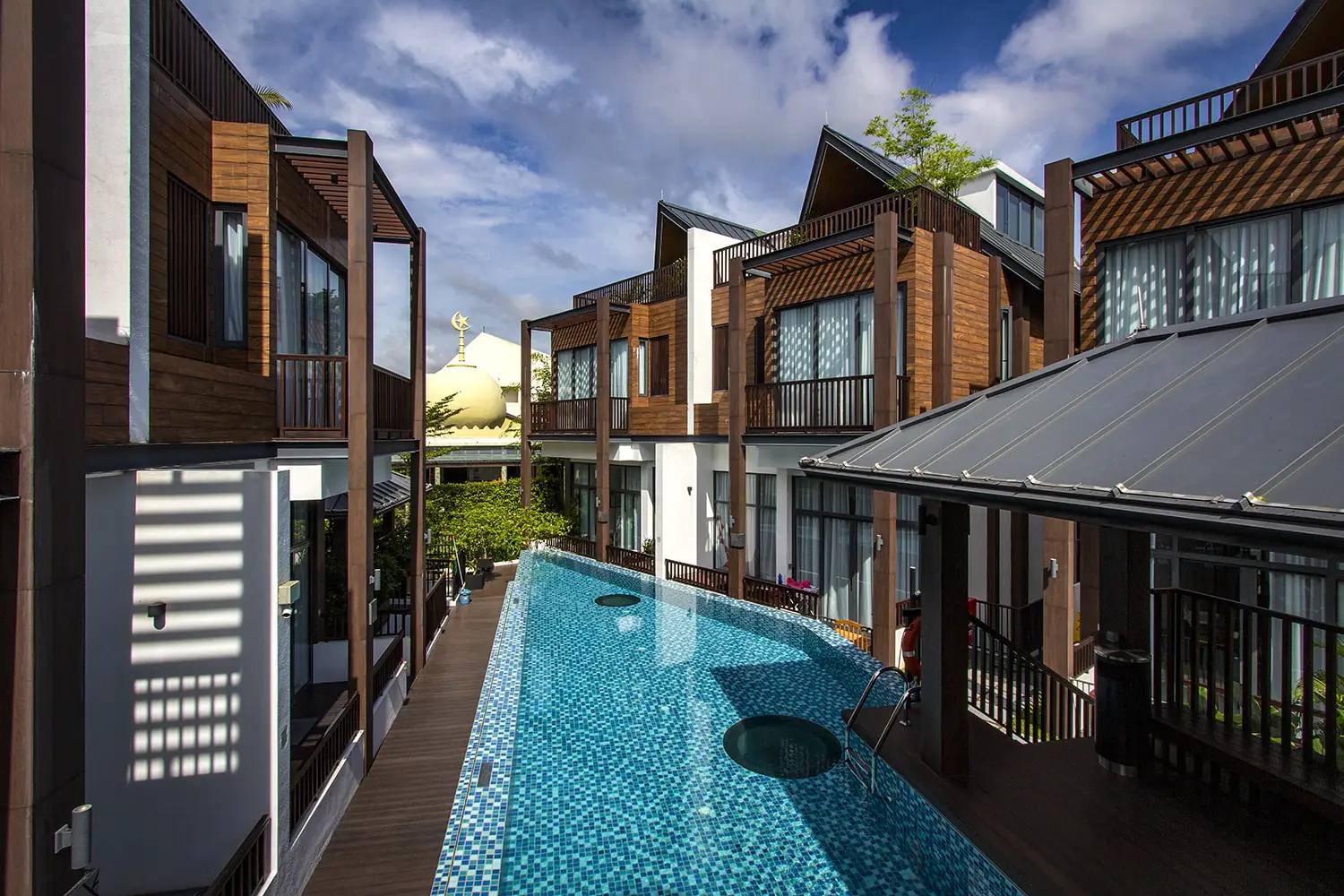
In Singapore’s tightly planned urban environment, residential design has always been a reflection of national priorities. Efficiency, connectivity, and density have long shaped how homes are built and where they are located. Today, however, a new layer of consideration is influencing both developers and buyers alike: the intersection of wellness and sustainability as everyday living essentials rather than luxury add-ons.
This shift is not driven by trend cycles or marketing language, but by changing expectations of what a home should provide in a high-density city. As environmental awareness grows and lifestyle stressors become more pronounced, residential spaces are increasingly expected to support physical health, mental well-being, and long-term environmental resilience.
From Green Features to Holistic Living
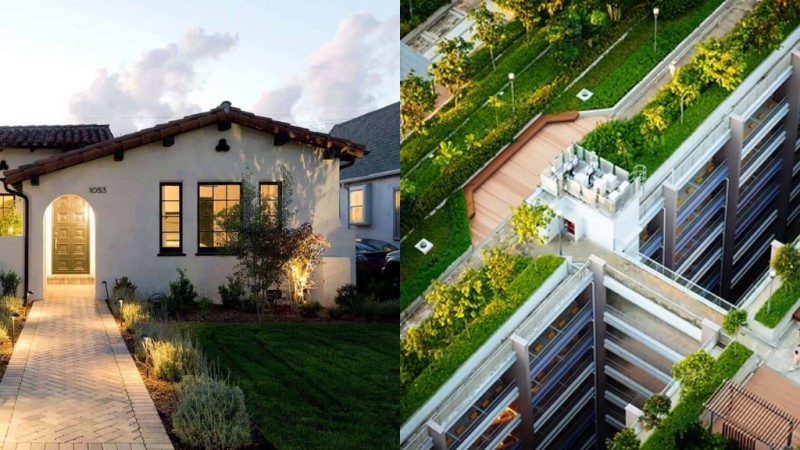
Earlier iterations of “green” housing often focused on visible features such as energy-efficient appliances or landscaped rooftops. While these remain relevant, the conversation has expanded. Wellness-oriented residential design now considers airflow, natural light, noise mitigation, and access to restorative spaces as core planning principles.
In Singapore’s climate, these factors have practical implications. Good cross-ventilation reduces reliance on air-conditioning, while thoughtful orientation minimises heat gain and improves indoor comfort. Over time, these design choices influence not just energy consumption, but daily quality of life.
Developments like Hudson Place Residences sit within this broader movement toward homes that function as calm, liveable environments within the city, rather than sealed-off units dependent on mechanical comfort alone.
The Role of Green Spaces in High-Density Living
Green spaces have long been part of Singapore’s urban identity, but their role within residential planning has evolved. Beyond visual appeal, proximity to parks, tree-lined streets, and communal gardens is now recognised for its impact on mental health and social interaction.
Research and lived experience both suggest that access to greenery can reduce stress and encourage active lifestyles—an increasingly important consideration in a city where many residents balance demanding work schedules with family responsibilities.
Residential projects located near established green corridors or integrated with landscaped communal areas tend to support more sustainable lifestyle habits. Walking, outdoor exercise, and informal social interaction become easier to incorporate into daily routines, reinforcing the idea that wellness is shaped as much by environment as by individual choice.
Wellness as a Long-Term Market Consideration
Wellness-focused design is also influencing how buyers evaluate long-term residential value. Rather than viewing sustainability features as optional enhancements, many now see them as indicators of future relevance.
Homes that prioritise natural lighting, acoustic comfort, and access to open space are better positioned to meet the needs of diverse demographic groups. Families, remote workers, and ageing residents all benefit from environments that reduce physical strain and promote everyday comfort.
In established residential districts, developments such as Dunearn House illustrate how location and planning can support these outcomes. Situated within neighbourhoods that already offer mature greenery, schools, and amenities, such projects benefit from an ecosystem that naturally aligns with wellness-oriented living.
Environmental Responsibility and Urban Longevity
Singapore’s long-term urban strategy places significant emphasis on environmental responsibility, from carbon reduction targets to water and energy efficiency. Residential developments that align with these national goals are more likely to remain compatible with future regulatory frameworks and infrastructure upgrades.
For homeowners and investors, this alignment matters. Properties that require extensive retrofitting to meet evolving sustainability standards may face higher long-term costs. In contrast, developments designed with environmental performance in mind from the outset tend to offer greater resilience.
This does not necessarily mean high-tech solutions or experimental materials. Often, it is the fundamentals—efficient layouts, durable construction, and integration with public transport—that contribute most meaningfully to a project’s environmental footprint over time.
Community Design and Social Well-Being
Wellness extends beyond individual units into the shared spaces that shape how residents interact. Communal facilities, when designed thoughtfully, can encourage social cohesion without compromising privacy.
In Singapore’s context, this includes practical considerations such as sheltered walkways, accessible common areas, and multi-use spaces that adapt to different age groups and activities. These features support inclusive communities where residents can engage at their own pace.
As household sizes and compositions diversify, the ability of a residential environment to accommodate varied lifestyles becomes increasingly important. Communities that support both quiet retreat and social connection tend to age more gracefully, maintaining relevance across market cycles.
A Measured Shift, Not a Marketing Trend
It is important to distinguish between genuine design evolution and surface-level branding. The growing emphasis on wellness and sustainability in Singapore’s property market is less about adopting fashionable labels and more about responding to lived realities.
Rising environmental awareness, an ageing population, and changing work patterns all contribute to demand for homes that are comfortable, adaptable, and responsible in their resource use. These expectations are shaping buyer behaviour in ways that extend beyond price per square foot.
As a result, residential projects that quietly incorporate these principles—without overstatement—are often those that achieve lasting appeal.
Looking Ahead
Singapore’s housing market is unlikely to undergo abrupt transformation. Instead, its evolution will continue through incremental refinements that respond to how residents experience the city on a daily basis.
Wellness-focused, sustainable residential design represents one such refinement. By aligning environmental responsibility with human comfort, developments like Hudson Place Residences and Dunearn House reflect a broader recalibration of residential priorities—one that values longevity, livability, and balance within an urban framework.
In the years ahead, the most successful homes may not be those that stand out immediately, but those that continue to feel right long after the initial purchase—supporting healthier, more sustainable ways of living in one of the world’s most carefully planned cities.