
How to Remove Limescale from Bathroom Fixtures
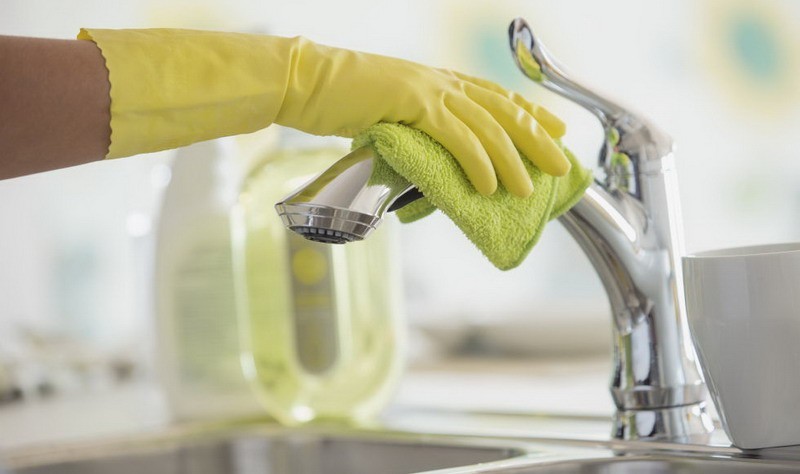
Have you started noticing a chalky, white crust creeping around your tap like an unwelcome houseguest? That’s limescale. It has just started forming on every chrome surface, and it’s making itself very comfortable on every chrome surface in sight.
Fortunately, you don’t need a chemistry degree or expensive potions to send it packing. With a few household heroes and a bit of elbow grease, you can have your bathroom fixtures gleaming again.
So, roll up your sleeves and let’s turn those crusty taps back into the shiny surfaces they once were.
Gather Your Limescale-Fighting Arsenal
Before you start scrubbing, gather everything you’ll need. White vinegar is your best friend here—it’s acidic enough to dissolve limescale without damaging most surfaces.
Lemon juice works brilliantly too, with the added bonus of leaving a fresh scent. Baking soda is perfect for creating a gentle scrubbing paste that won’t scratch.
You’ll also want some old cloths, a spray bottle, an old toothbrush for tight spots, and some cling film for stubborn areas. If natural solutions don’t appeal, commercial limescale removers work quickly, but always check they’re suitable for your fixtures.
Start with Taps and Showerheads
Taps and showerheads are usually where limescale shows itself first, so they’re the perfect place to begin your cleaning mission. Here’s how to tackle them:
Tackling Taps
Spray white vinegar directly onto the tap, making sure you cover every crusty bit. For areas with heavy buildup, soak a cloth in vinegar and wrap it around the base and spout.
Leave it for at least 30 minutes or an hour if the limescale is particularly stubborn. The acid will break down those mineral deposits, making them easier to wipe away.
Once the time is up, use an old toothbrush to scrub around the base and any crevices. Rinse thoroughly with water and buff with a dry cloth until it shines.
Dealing with Showerheads
Showerheads collect limescale inside and out, which can block the spray holes and reduce water pressure. If you can remove the showerhead, submerge it in a bowl of white vinegar overnight.
For fixed showerheads, fill a plastic bag with vinegar, secure it around the showerhead with an elastic band, and leave it to soak. The next morning, remove the bag, run hot water through the showerhead, and use a pin to clear any blocked holes.
Your shower will feel more powerful immediately, and you’ll wonder why you didn’t do this sooner.
Move On to Glass and Tiles
Shower screens and tiles can look grimy even when they’re technically clean, thanks to limescale’s cloudy film.
To fix that, mix equal parts white vinegar and water in a spray bottle, then spray generously over glass doors and tiles. Leave it for 15 to 20 minutes to work its magic.
Wipe down with a damp cloth, paying extra attention to corners where limescale is hiding. For stubborn spots, make a paste with sodium bicarbonate and a splash of water, apply it to the area, and scrub gently.
Bathroom mirrors can get splattered with hard water spots, too. A quick spray of vinegar solution followed by a wipe with newspaper will leave them streak-free and sparkling.
Attack Stubborn Toilet Limescale
Toilets are limescale magnets, especially below the waterline and under the rim. So pour a generous amount of white vinegar into the bowl, making sure it covers all the stained areas.
For extra strength, add a few tablespoons of bicarbonate of soda. Leave the mixture to sit for at least an hour, or overnight for serious buildup.
Scrub thoroughly with a toilet brush, focusing on the waterline and under the rim. If there are still brown or pink spots around, a pumice stone designed for toilets can gently scrub them away without scratching the porcelain.
Don’t forget the cistern either. Limescale can build up inside, affecting how your toilet flushes. Pour a cup of vinegar into the cistern, leave it for a few hours, then flush.
Don’t Forget the Small Details
It’s the little things that often get overlooked, but they make a big difference to the overall finish.
Plug holes and drain covers accumulate limescale quickly, especially if water sits around them. Remove drain covers if possible and soak them in vinegar for 30 minutes.
Use an old toothbrush dipped in vinegar to scrub around plug holes and any chrome accessories like towel rails or toilet roll holders. These small touches will make your entire bathroom feel more polished.
Even your toothbrush holder and soap dishes deserve attention. A quick soak in warm water with a splash of vinegar should dissolve any mineral buildup.
Prevent Future Buildup
Once you’ve done all that hard work, you’ll want to keep limescale from staging a comeback.
After every shower, give glass screens and tiles a quick wipe with a squeegee. It takes seconds but prevents water from sitting long enough to leave deposits.
Keep a spray bottle of diluted vinegar or your favourite commercial limescale cleaner in the bathroom and give taps a quick spritz and wipe every few days. It’s far easier than waiting for thick limescale to form.
Consider installing a water softener if you’re in a particularly hard water area of the UK. It’s an investment, but it’ll save you hours of scrubbing in the long run and extend the life of your fixtures.
Ventilation is just as important, too. Running the extractor fan or opening a window after baths and showers reduces humidity, which slows down limescale formation.
When to Call in Professional Help
Sometimes limescale is so severe or your fixtures are so delicate that you’ll need professional help to sort them out.
If you’ve tried everything and your bathroom still looks dull, or if you simply don’t have time for this level of deep cleaning, a high-end cleaning service can transform your bathroom.
These professionals have access to commercial-grade products and techniques that can tackle even the most stubborn buildup.
Many house cleaning services across the UK offer regular maintenance visits, which means you’ll never have to face a limescale crisis again. They’ll keep your bathroom looking pristine while you get on with enjoying it.
Conclusion
Now you’ll be able to stand in a bathroom that actually sparkles instead of looking like it’s been dusted with chalk. Those taps are gleaming, the shower screen is crystal clear, and you’ve conquered the toilet bowl like a true champion.
The best part? You did it with ingredients you probably already had in your kitchen cupboard. Who knew vinegar could be this powerful outside of a salad dressing?
Now go ahead and enjoy your freshly descaled sanctuary. You’ve earned the right to take an extra-long shower as you admire your handiwork.