
Commercial upholstery in Denver and the value of professional furniture care
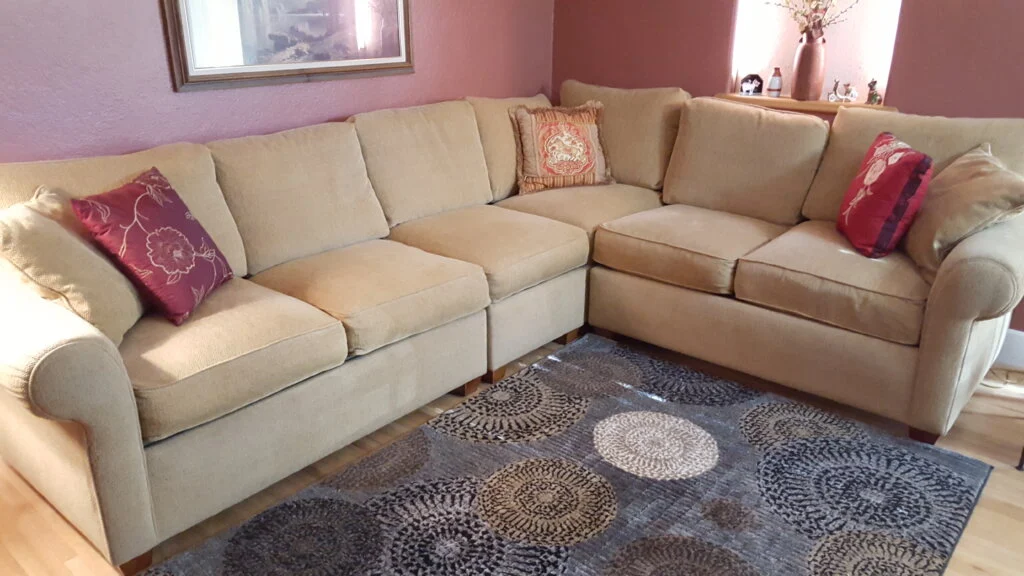
It is a common assumption that when office seating or lobby furniture begins to show signs of age, the most logical next step is to replace those items entirely. People often look at worn fabric, sagging cushions, or faded surfaces and decide that the furniture has simply reached the end of its functional life. While it is true that some pieces eventually reach a point of total wear, the reality for many businesses is much more nuanced. In many cases, professional restoration and new upholstered furniture in Denver can be achieved by choosing high-quality refurbishment, which offers a path to extending the lifespan of assets while maintaining a professional environment.
Why early replacement is often a missed opportunity
The impulse to replace rather than restore often comes from a desire for a fresh, modern aesthetic. When a lobby feels tired or a conference room chair loses its shape, it can subtly shift the way clients perceive a professional space. However, the assumption that only new furniture can achieve a polished look overlooks the significant potential of existing high-quality frames.
Many commercial-grade pieces are built with robust internal frames designed for durability that far exceeds the aesthetic appeal of the original fabric. When the fabric wears out, the structure often remains perfectly sound. By opting for reupholstery, a business can maintain the comfort and structural integrity of furniture that might have been expensive to source originally, while simultaneously updating the look to match current design preferences. This approach avoids the logistical challenges of disposing of bulky office furniture and sourcing replacements that must meet strict commercial fire and wear standards.
How professional restoration impacts long-term asset management
When considering whether to refurbish or replace, it is helpful to look at the underlying mechanisms of furniture degradation. Fabric wear, foam compression, and internal spring tension are distinct issues that often require different professional interventions.
Understanding the components of furniture wear
- Fabric and textiles: Exposure to sunlight, high-traffic usage, and general friction will naturally degrade even the most durable commercial textiles over time.
- Structural foam: Cushioning tends to lose its “memory” and density, leading to a sagging appearance that affects both comfort and the overall silhouette of the piece.
- Internal supports: In some cases, the mechanisms that provide support, such as springs or webbing, may need adjustments or reinforcement to restore proper tension.
A skilled provider focusing on commercial upholstery in Denver will assess these components individually. Often, a piece may only need new high-density foam and a fresh textile application to perform and look like a new piece. This level of granular attention is rarely possible when purchasing mass-produced replacement furniture, where the focus is typically on standardized manufacturing rather than the specific needs of an existing frame.
The strategic benefits of refreshing your existing space
Choosing to refurbish existing pieces is not merely a question of maintenance; it is a strategic decision that affects how a company manages its workspace. For businesses looking for new upholstered furniture in Denver, the market offers many options, but there is also a significant benefit to retaining furniture that is already ergonomically suited to the office or lobby footprint.
When a company commits to a restoration project, they gain the ability to choose fabrics that offer specific performance characteristics—such as enhanced stain resistance, antimicrobial properties, or increased abrasion resistance—that may not have been available when the furniture was originally purchased. This allows the business to tailor the durability of its furniture to the specific demands of its daily operations. If a lobby area sees constant foot traffic, a heavier-duty weave can be selected to ensure the furniture remains in peak condition for a longer period.
Thinking differently about the lifecycle of office seating
Instead of viewing furniture as a disposable item that requires replacement as soon as signs of wear appear, it is more effective to think of it as an asset that matures. A thoughtful approach to maintenance and periodic updates allows a business to cultivate a consistent aesthetic over time, rather than dealing with the fragmented look that can occur when pieces are replaced piecemeal.
The key is to consult with professionals who understand the distinction between superficial repairs and genuine structural restoration. A qualified expert in the field of commercial upholstery in Denver can provide an honest assessment of whether an item is a good candidate for recovery. They will typically look at the condition of the frame, the feasibility of sourcing high-quality replacement materials, and the overall cost-benefit ratio compared to procuring entirely new items.
By shifting the focus from immediate replacement to a model of managed refurbishment, companies can sustain a higher level of interior quality. This mindset respects the initial investment made in quality furniture and recognizes that the service life of these assets can be significantly extended through professional intervention. When you evaluate your space, ask yourself whether the issue is the furniture itself or simply the material surface that has reached its limit. Often, the frame tells a story of longevity that is well worth continuing, and with the right expertise, the transition from worn to refreshed can be seamless and highly functional.